
-
Peer feedback

Peer feedback provides invaluable perspectives on how great it is to work with a person and how they contribute to the team as a colleague.While managers often evaluate the final product, your peers see the nuances—the collaboration, the support, and the hidden efforts that drive long-term success. By embracing these perspectives, you evolve from an…
-
Staff it if it’s important

If it’s important, staff it like it’s important. If a project is truly a priority, your headcount and budget should reflect that status immediately. Middle-management “purgatory” is filled with brilliant ideas that died simply because they were treated as side-hustles for already overextended teams. When you starve a critical initiative of dedicated talent, you aren’t just…
-
Measure what matters
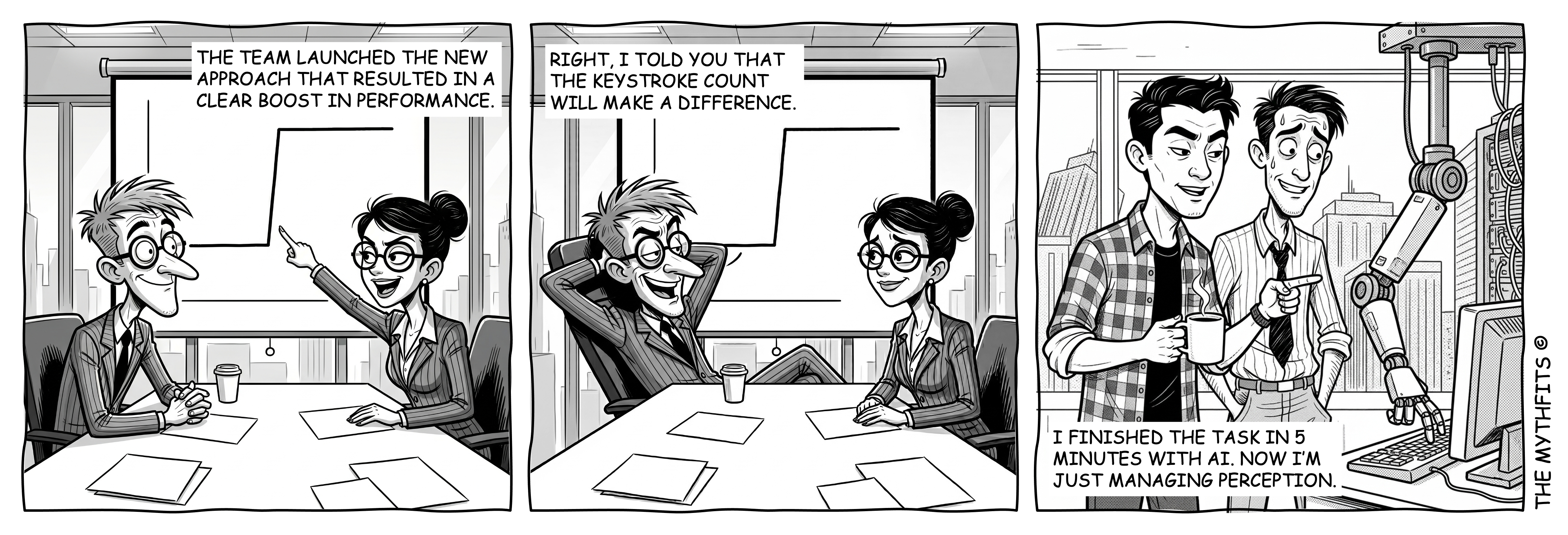
We don’t always measure what matters; we manage what we measure, even if it doesn’t matter.Easily quantifiable data offers a false sense of control. When we prioritize vanity metrics over strategic value, we inadvertently train our teams to optimize for the spreadsheet rather than the mission. We must shift from “what can we count” to…
-
Noise is no signal

Process the noise before seeking the signal.By intentionally pausing to process the “noise” of workplace dynamics, you prevent reactive decisions based on surface-level data. This discipline allows you to filter out distractions and identify the true signal—the core issues and opportunities that others often overlook.What is one specific technique you use to stay objective when…
-
Consistency vs permanence

Consistency is a strategic commitment to your core values, allowing them the necessary time to compound into tangible organizational results. While permanence is a rigid attachment to the status quo, consistency is the disciplined patience required to see a long-term vision through to fruition. Leadership lies in knowing when to hold the line for impact…
-
Behavior broadcast

Behavior is your loudest broadcast.In the world of high-stakes leadership, your actions consistently drown out your words. While mission statements and strategy decks set the stage, it is your daily conduct that defines the actual culture and standards of your organization. Integrity isn’t found in what you promise during a keynote, but in how you…
-
Executive bubble
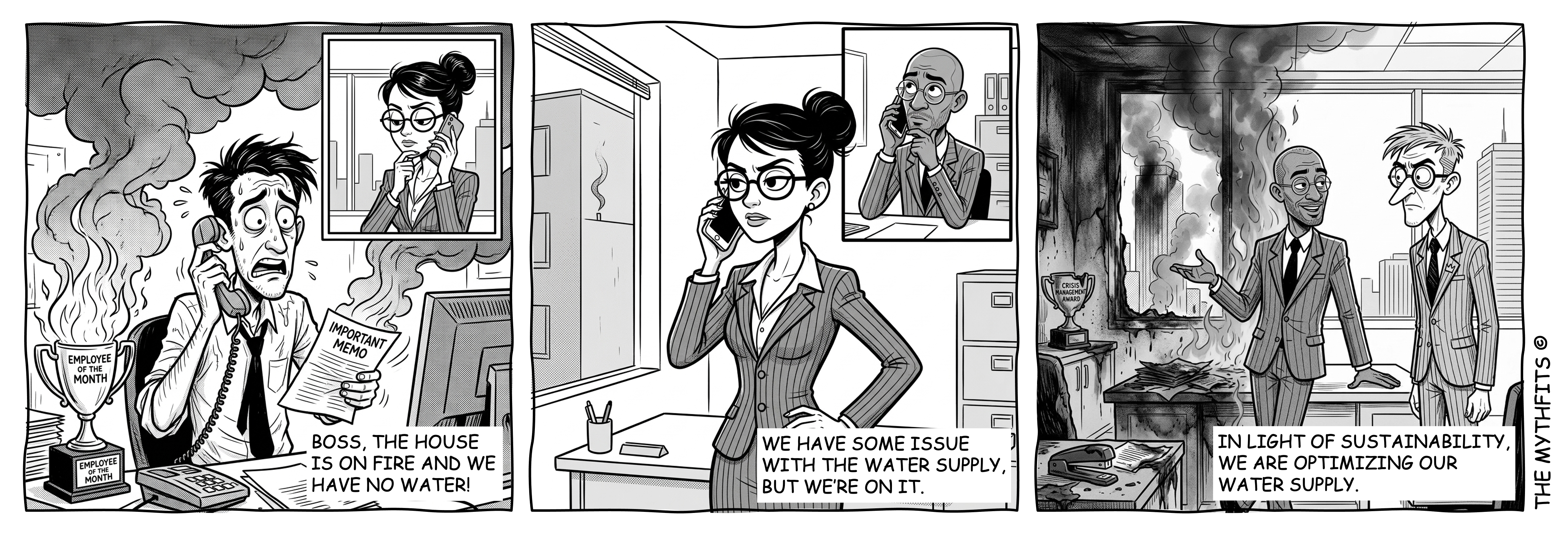
Leadership requires a relentless pursuit of unfiltered reality, as the higher you climb, the thicker the “information bubble” tends to become. When leaders lose proximity to the front lines, they begin making high-stakes decisions based on sanitized data and optimistic reports rather than the ground truth. Maintaining direct access to the raw, unvarnished challenges of…
-
Not learning from mistake

Mistake is not the issue – not learning from it is.Failure is never a dead end; it is a high-value data point that reveals exactly where your strategy or process requires refinement. The real risk to an organization isn’t the initial error, but the institutional arrogance or stagnation that allows the same mistake to happen…
-
Living with the problem
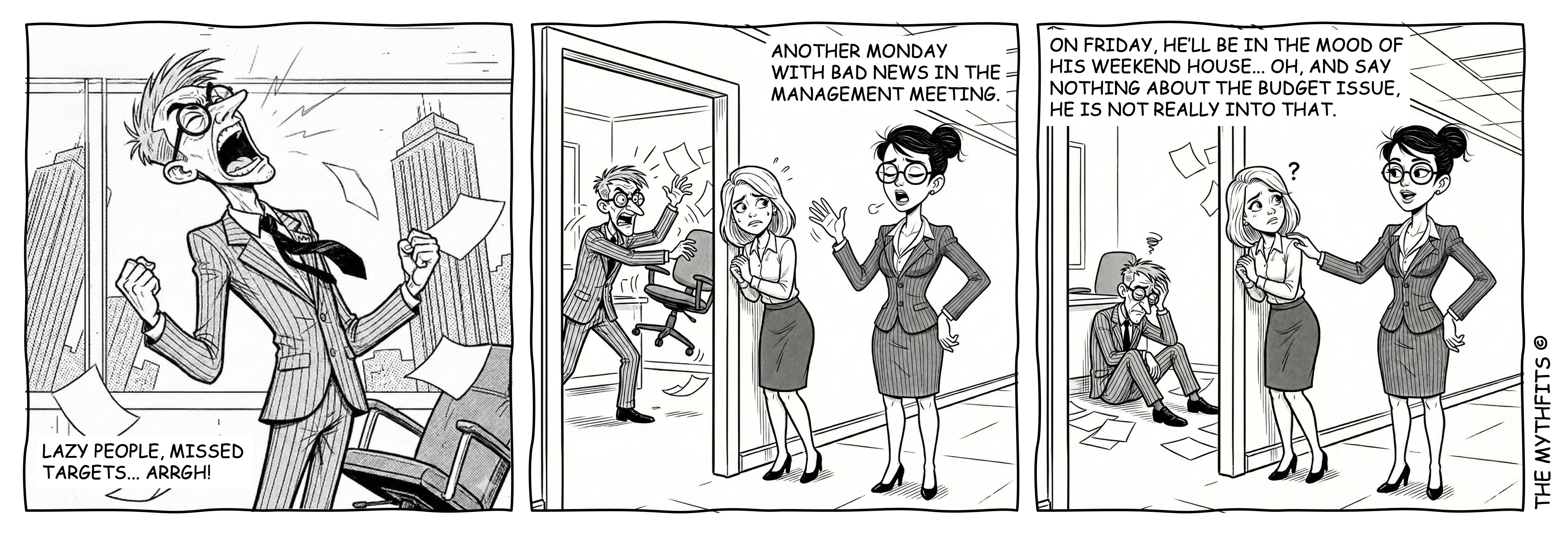
Stop treating your persistent organizational issues like permanent roommates. When we normalize inefficiencies or “work around” deep-seated friction, we aren’t being resilient—we are becoming complacent. This gradual acceptance of broken processes drains collective energy and masks the underlying rot that eventually leads to systemic failure. Leadership isn’t about mastering the art of the detour; it’s…
-
Safe innovation

The traditional innovation funnel often acts as a filter for risk rather than a catalyst for growth, inadvertently prioritizing “safe” iterations over disruptive breakthroughs. When we reward the path of least resistance, we trade long-term market leadership for short-term consensus, resulting in incremental noise that fails to move the needle. True differentiation requires the courage…