
-
Autopilot operation

Cruise control doesn’t work when the road bends. And in business, the road is always bending.Relying on established routines and “autopilot” processes is a recipe for failure in an environment defined by constant disruption. Success in leadership requires active, hands-on navigation because standardized systems cannot account for the sudden shifts in market dynamics or internal…
-
Perfection

The lack of perfection cannot paralyse your actions.Striving for flawlessness often functions as a sophisticated form of procrastination that keeps high-impact ideas grounded. Real-world progress is fueled by iterative action, where the data gained from a “good enough” launch far outweighs the theoretical gains of endless polishing. By shifting your focus from perfection to momentum,…
-
Benchmark
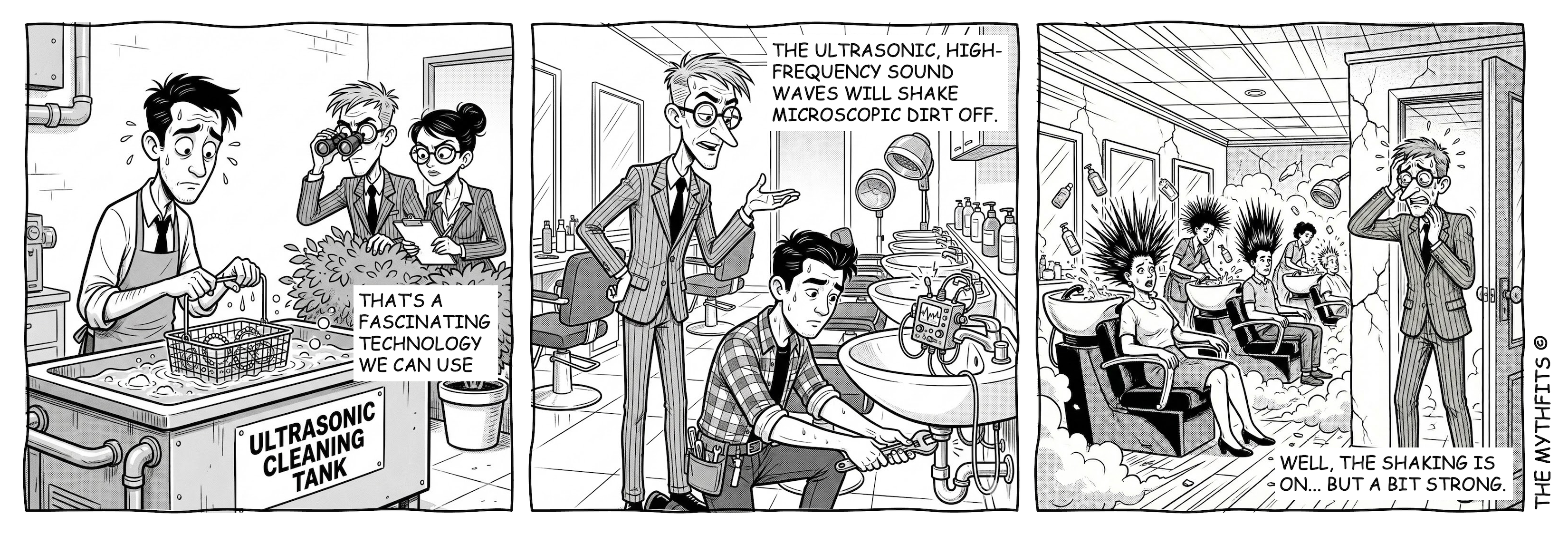
Benchmarks are valuable guideposts, not blueprints.Benchmarks provide essential context for where you stand, but they are never a substitute for an original strategy. While they help you measure relative performance, blindly following an industry standard often leads to mediocrity rather than a true competitive advantage. Use external data to calibrate your direction, but rely on…
-
Highlight reel
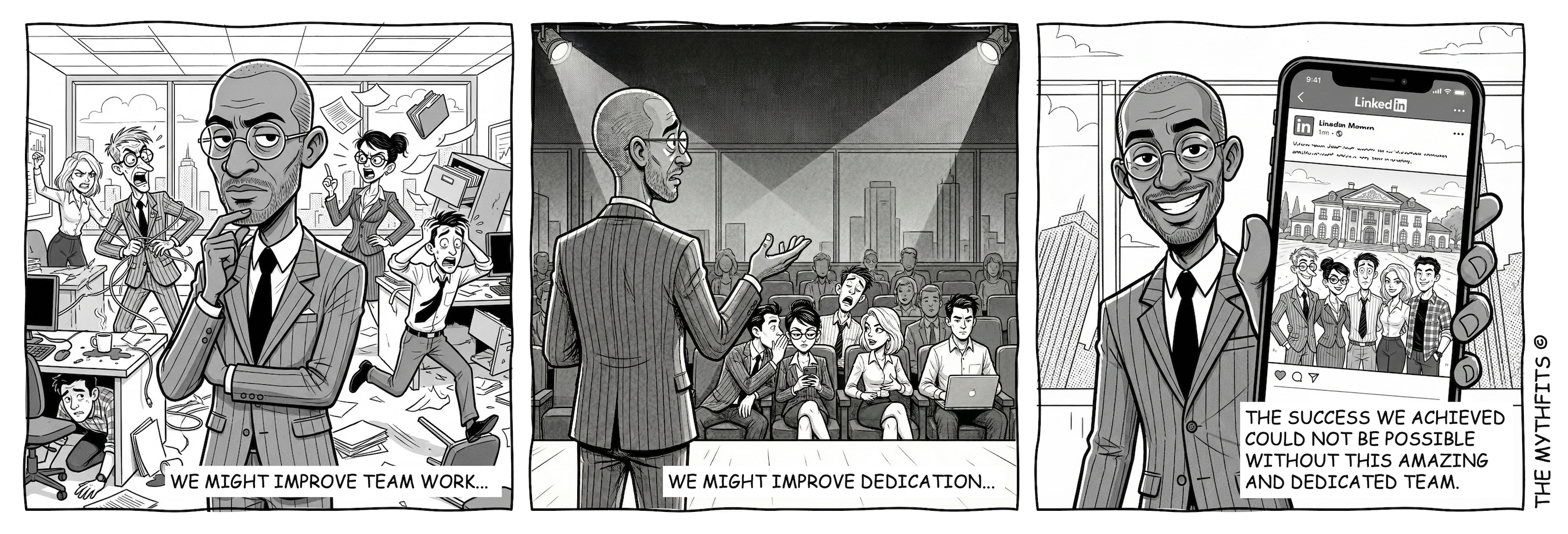
The polished cover of success and internal communications frequently shared on professional networks often masks the grueling reality of unresolved conflict and operational friction that defines true leadership. While public praise is essential, it shouldn’t overshadow the silent, messy work of navigating team pain and interpersonal tension that occurs behind closed doors. By over-indexing on…
-
Fellowship

Fellowship is created via common goals, joint struggle, or emotional bonds.True fellowship isn’t a byproduct of proximity; it is forged when individual interests dissolve into a shared mission. Whether it’s the pursuit of a common goal, the resilience built through joint struggle, or the trust found in emotional bonds, these are the catalysts that transform…
-
Customer behavior

Stop relying on what customers say and start measuring what they actually do. While surveys capture filtered intentions and social biases, behavioral data reveals the raw, unvarnished truth of the user experience. By measuring precise actions, you eliminate the guesswork of human memory and gain actionable insights. In a world of “stated preferences,” those who…
-
Servicing vs serviced

To be serviced is individual, yet servicing as a system is standardised.True service excellence lies in the paradox of systemic consistency and personal touch. While your backend processes must be standardized to ensure reliability and scalability, the frontend experience must feel bespoke to every client. By mastering this balance, you transform a rigid operational framework…
-
Quality of conversation
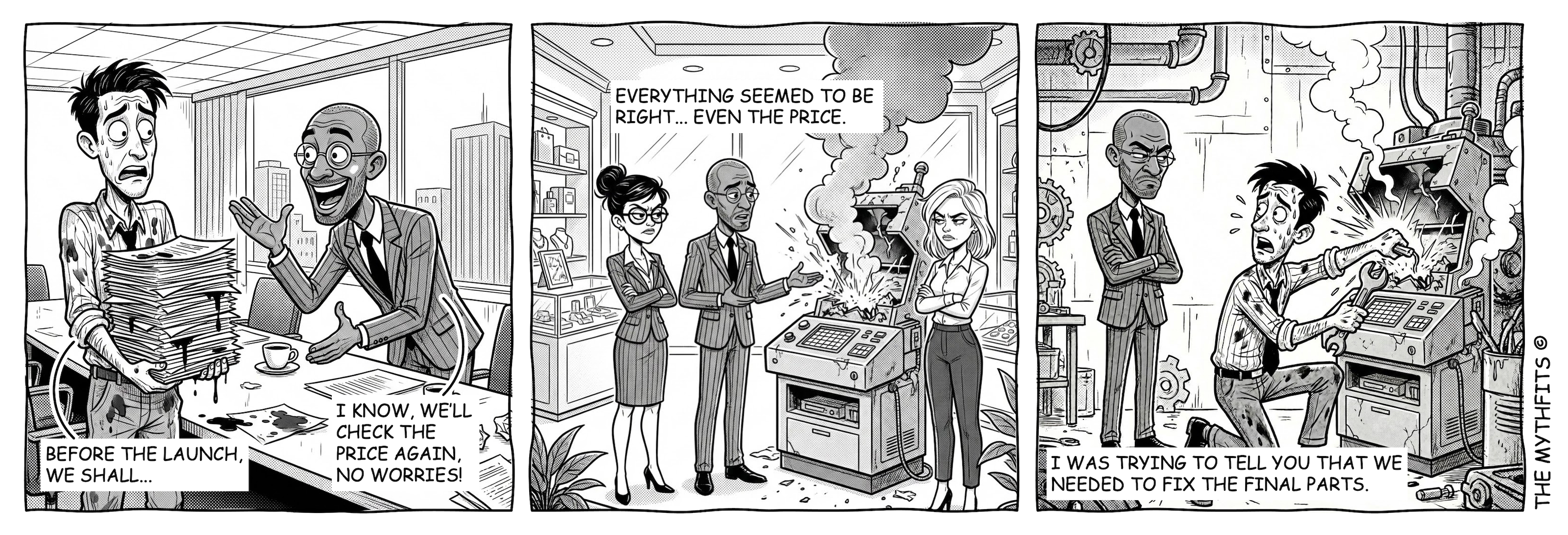
The quality of our conversations determines the quality of our results.Psychological safety means people feel safe to speak up because they trust the system won’t punish them for it. But it also means they trust that their input matters—and that there are shared standards for excellence. A good conversation entails asking good questions, listening intently,…
-
Boring management matters

Keith Grint noted that since we reward people who are good in crises and ignore people who are such good managers that there are very few crises, people soon learn to seek out or reframe situations as crises. Good leadership, however, is about taking care of the people and systems to ensure sustainable operation. This…
-
Inclusive culture

Are you accidentally silencing your best people? 🤫True leadership isn’t about having the most information; it’s about making it safe for others to ask why. When a leader dismisses a public question as “stupid” or laughs at it because they have more context than the audience, even if it’s an unconscious reaction, the feedback loop…