
-
Peer pressure
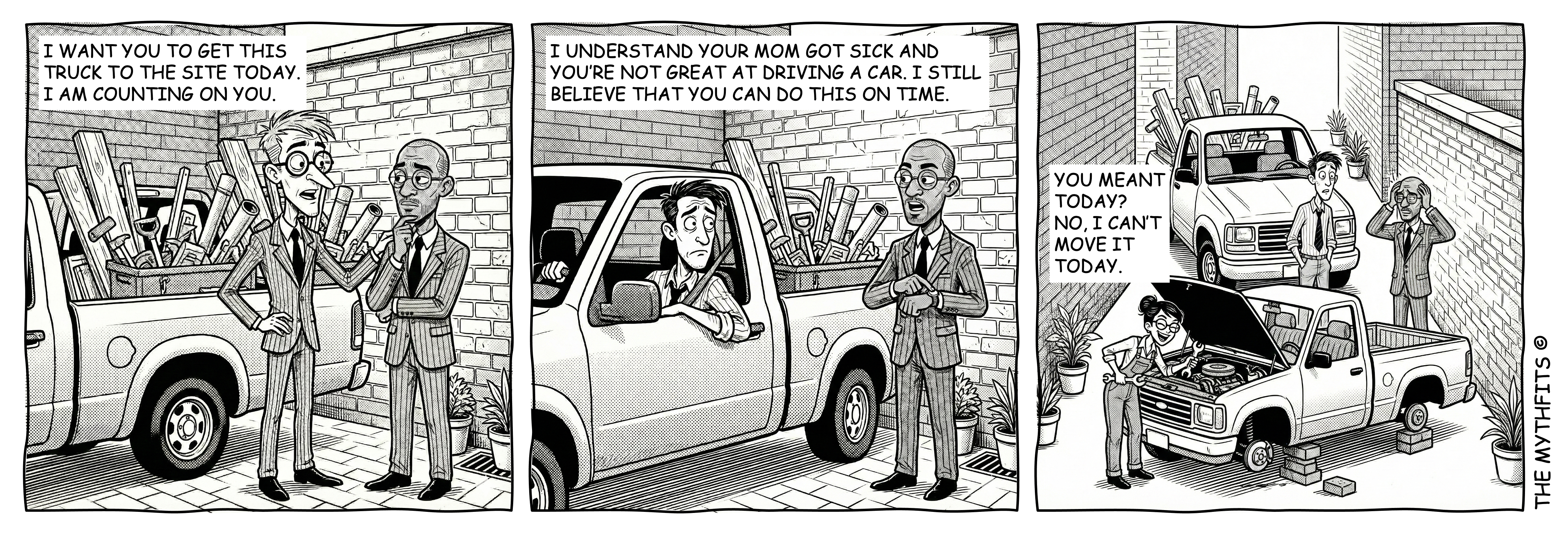
In the management landscape, we often overlook the “horizontal squeeze,” yet peer dependency is frequently the most rigid constraint on a leader’s velocity. While vertical pressure is expected from executives (expectations) or direct reports (emotional complexities and competence matters), peer-level friction creates invisible bottlenecks where cross-functional silos or misaligned incentives can effectively paralyze your progress.…
-
People don’t think what they say

People don’t think what they feel, they don’t say what they think and they don’t do what they say (Ogilvy) – and the same goes for colleagues.Human behavior is rarely a straight line, but rather a complex knot of unspoken emotions and filtered communication. We often witness a disconnect where internal anxiety transforms into external…
-
Consensus
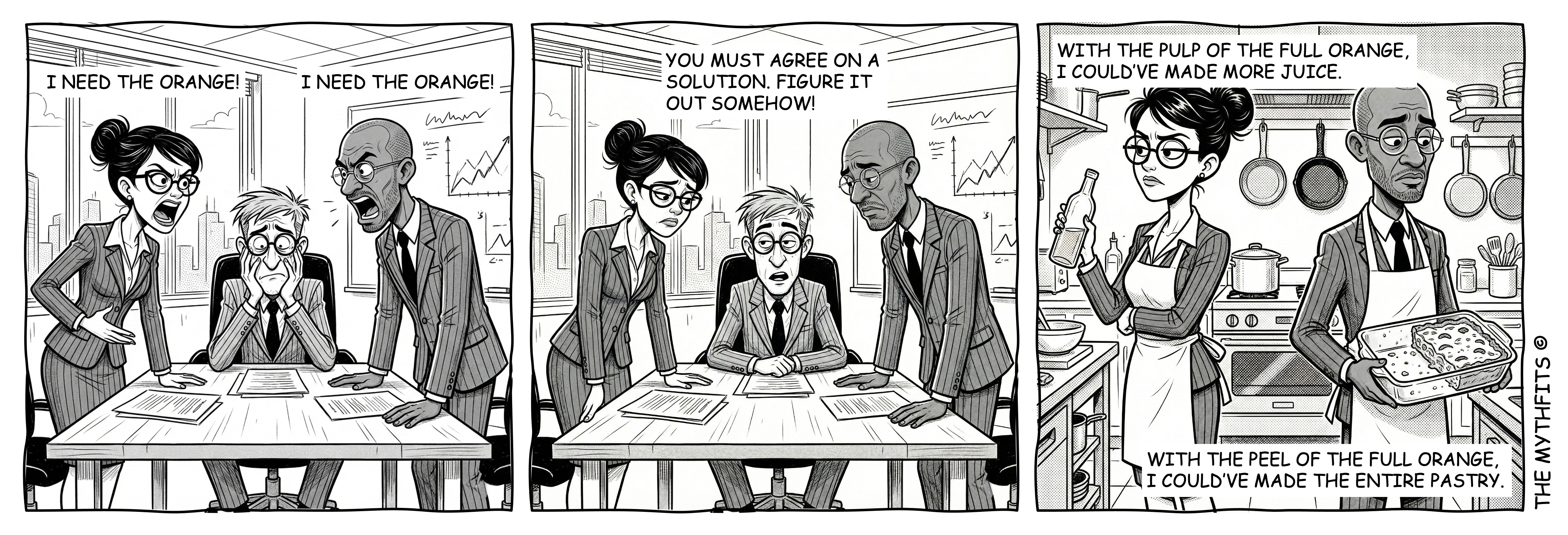
The opposite of disagreement is not agreement. It is the consensus.Moving from disagreement to consensus doesn’t require everyone to share the same opinion, but rather to align on a shared outcome that respects individual needs. The classic orange debate illustrates this perfectly: instead of a compromise where both parties receive a useless half, a consensus…
-
Customer obstacle is your competition
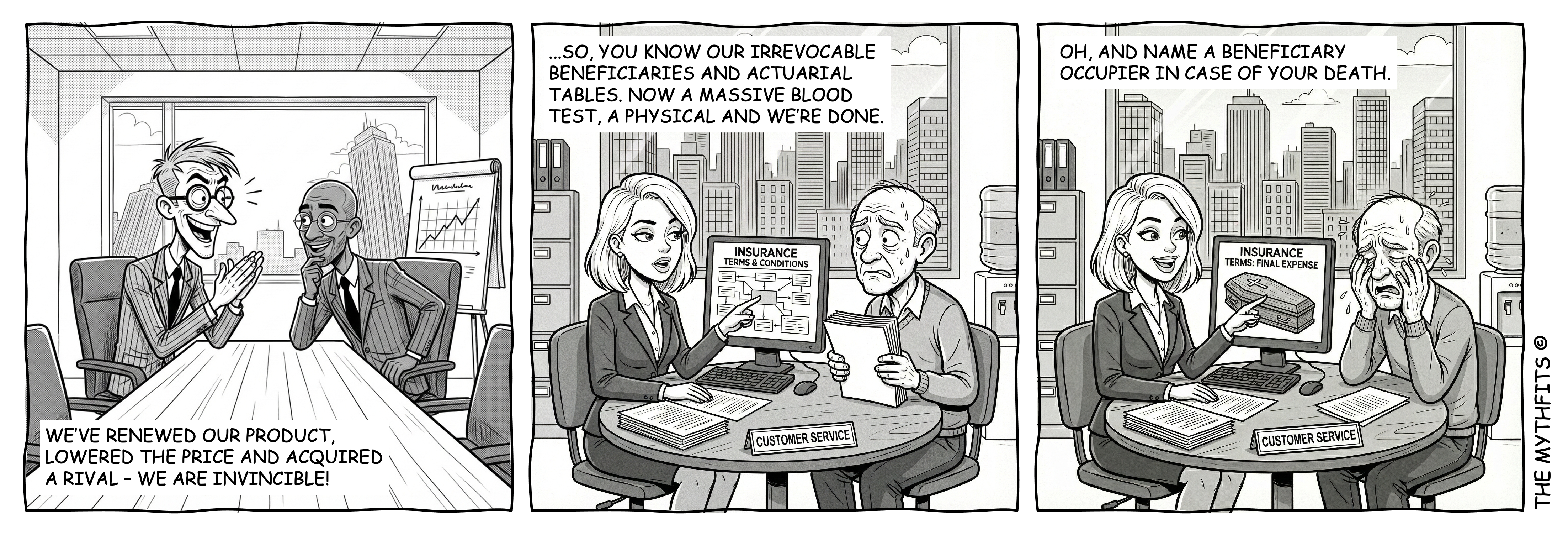
Your competition is any and every obstacle your customers encounter along their journeys. A customer doesn’t just choose between Brand A and Brand B; they choose between progress and friction. Your rivals seem to be the other companies offering something similar, yet, in reality, the biggest “competitor” isn’t another firm—it is also the obstacles in…
-
Penny pinching IT

Penny-pinching on software subscriptions is a classic example of “false economy” that quietly drains your bottom line through massive productivity leaks. When you prioritize a lower monthly bill over seamless integration, you force your team to navigate fragmented workflows and manual workarounds that cost far more in billable hours than any license fee. Real operational…
-
System over goals
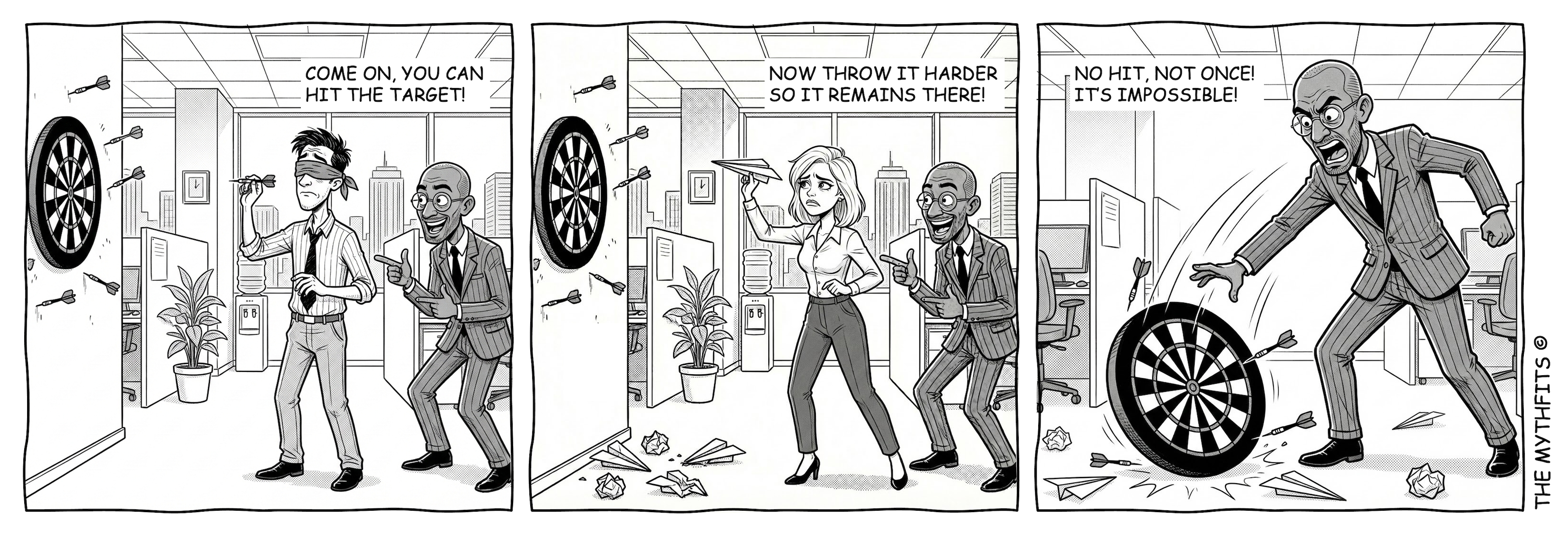
You do not rise to the level of your goals, you fall to the level of your systems. Ambition is merely a destination, but your systems are the vehicle that actually gets you there. When pressure mounts and challenges arise, your willpower can often falter, leaving only your daily habits and repeatable processes to sustain…
-
What gets measured

“What gets measured gets managed” is the fundamental law of organizational focus: data transforms abstract goals into actionable targets. By quantifying performance, you strip away ambiguity and force a team to confront the reality of their progress—or lack thereof. However, this principle is a double-edged sword, as it incentivizes people to prioritize the specific metrics…
-
Market research is a compass

Market research is a compass, not a GPS. Market research is designed to provide orientation, not to abdicate the responsibility of leadership. While respondents can offer invaluable insights into their current needs and frustrations, they lack the strategic context, vision, and long-term business objectives that define your organization. Relying on a survey to settle a…
-
Wellbeing
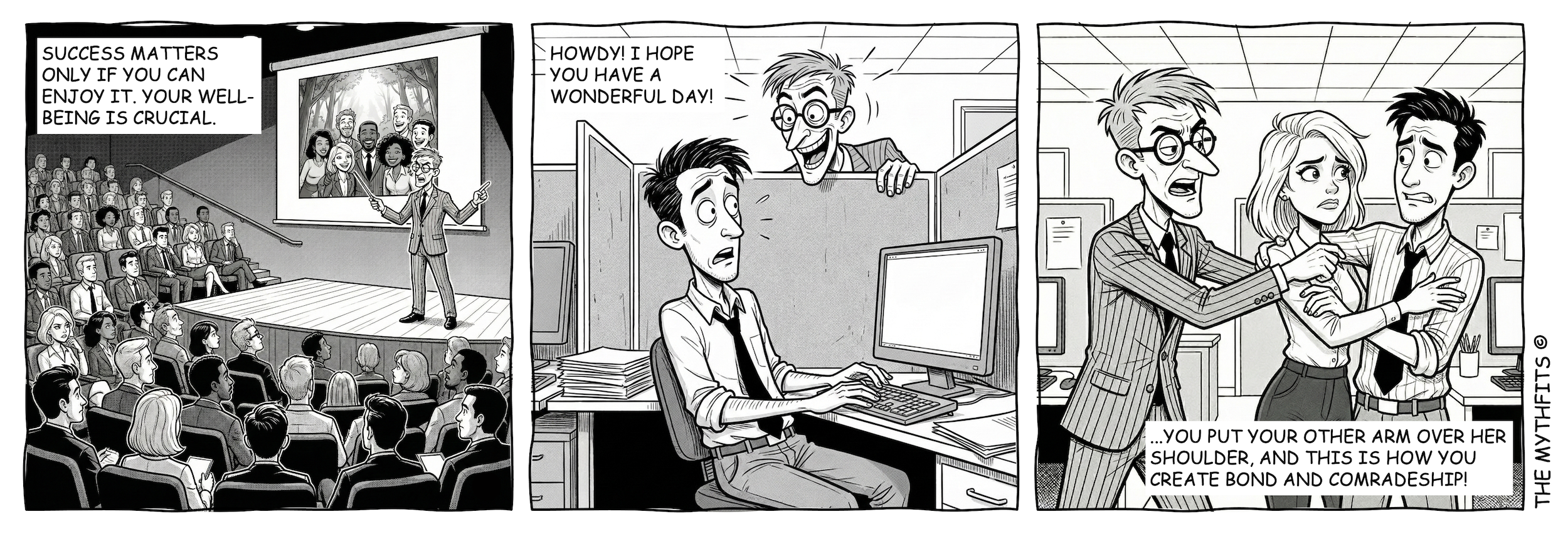
True leadership isn’t about wishing for employee well-being; it’s about architecting the culture that makes it possible. You cannot simply instruct a team to avoid burnout while simultaneously rewarding late-night emails and impossible deadlines. Your primary responsibility is to design sustainable workflows and embody the boundaries you want your team to adopt. Influence starts with…
-
Micromanagement

As a leader, your job is not to control other people; it’s to control yourself and trust that others will follow.Leadership is less about the authority you exert over others and more about the discipline you exercise over yourself. By shifting from a mindset of control to one of self-regulation, you create a high-trust environment…