
-
When you say forward
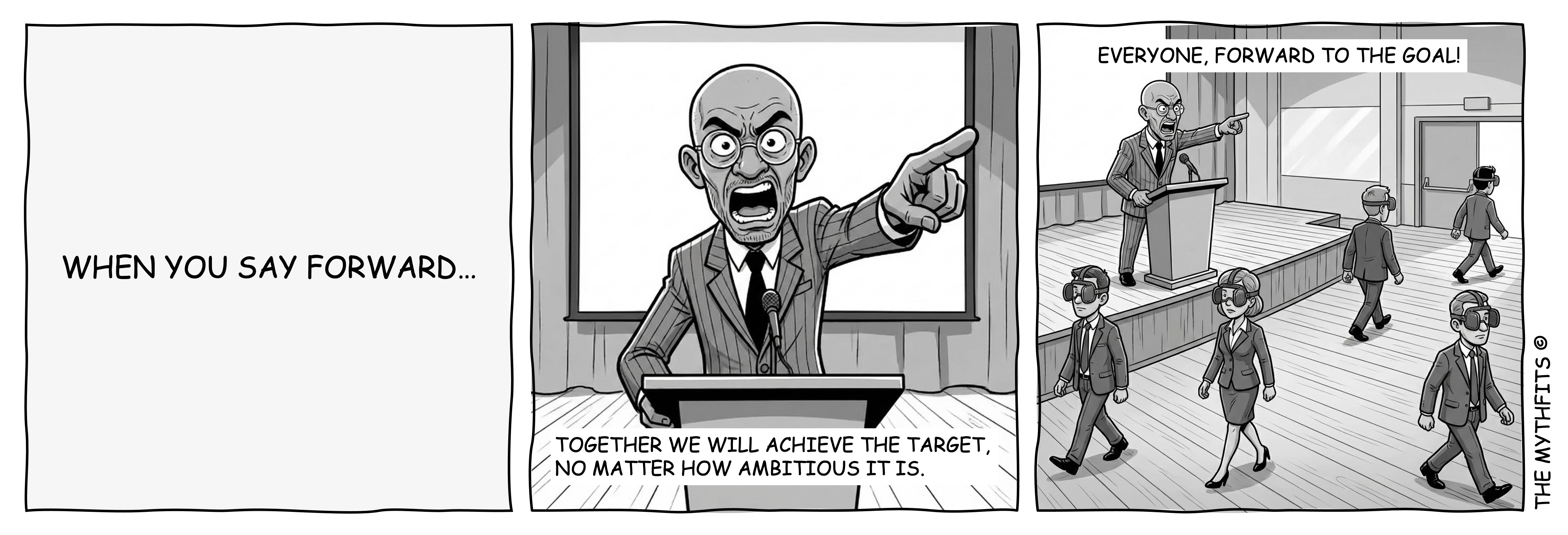
When you say forward, you have to define the exact direction.Vague goals are the enemy of execution. Until you define what ‘forward’ means, you’re standing still. True momentum requires a pinpointed North Star that shines into every corner of your organization. Without a specific, shared map, your departments won’t move together; they’ll retreat into their…
-
Intellectual target

If your goal is purely intellectual, your experience of getting there will remain intellectual.There can be a massive emotional disconnect in the office. Management is hitting the ceiling with excitement, popping champagne over the latest KPIs—but the team? They’re just checking a box. To them, a target met is just another Tuesday. Without skin in…
-
Expert manager

Companies still stubbornly prioritize function-specific expertise as the desired quality in management hires. This means organizations tend to have experts of professional knowledge in management roles instead of true leaders with the right human skills.
-
Burnt out

Unlike computers, we cannot reboot ourselves that simply. In case of burn out, prevention is the key, not reaction. Treat your colleagues the way they cannot get to the edge.
-
Diluted focus

Diluted focus is the silent killer of organizational momentum. When management claims three priorities but speaks of four and acts on five, they create a “priority drift” that leaves teams confused, cynical, and paralyzed. True leadership requires the discipline to align your words with your resources, ensuring that what you measure in the boardroom is…
-
Segmentation illusion

“New segmentation” is often just “old wine in new bottles”—a rebranding exercise that dresses up familiar data without uncovering fresh, actionable insights. True customer centricity isn’t about finding more creative ways to describe who your customers are; it’s about shifting from descriptive labels to predictive behaviors. Yet, making it actionable in your systems is a…
-
Duplicating effort
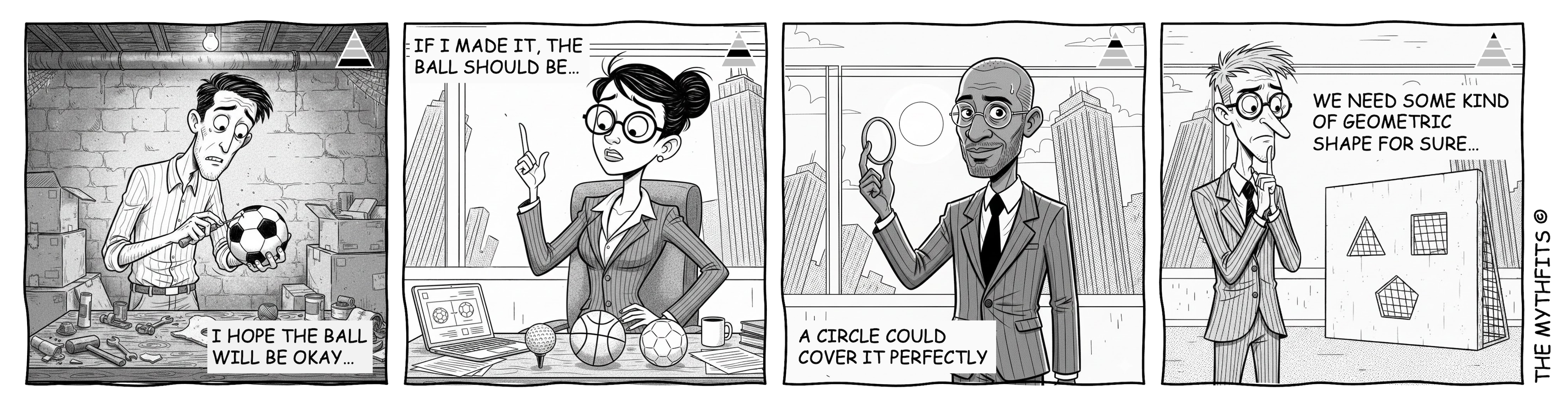
Micromanagement is often a symptom of a manager who hasn’t transitioned from doing to designing. When you step in to re-execute operative tasks, you aren’t just duplicating effort—you are signaling a lack of trust that stunts the growth of your team. Real leadership value is created by optimizing the systems and structures that remove friction,…
-
Winners go beyond the finish line

Treating the finish line as a destination rather than a milestone is the fastest way to cap your professional growth and settle for mediocrity. True winners understand that targets are floors, not ceilings, designed to provide direction while leaving the upper limit of achievement wide open. When you shift your mindset from “hitting the number”…
-
You shall discuss it
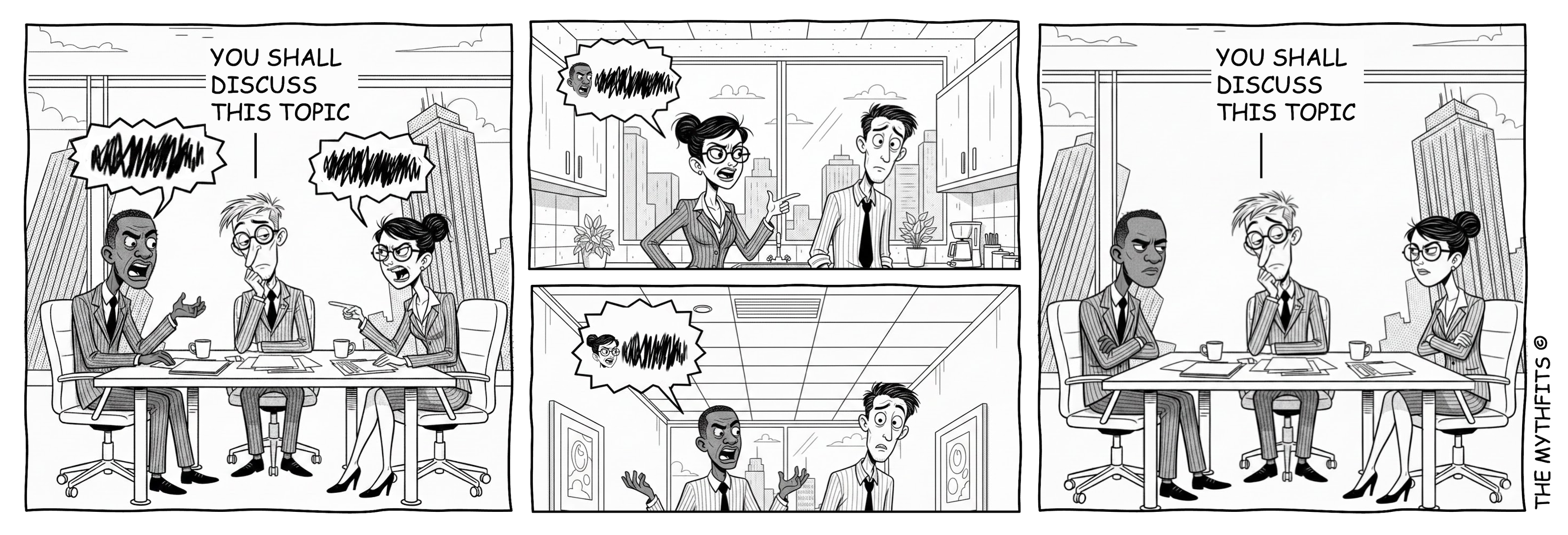
Triangulation in the workplace creates a dangerous illusion of progress while actually entrenching conflict and eroding organizational trust. When you vent to a third party instead of engaging in a direct feedback loop, you bypass the only person capable of resolving the tension, effectively trading a solution for temporary emotional relief. High-performing cultures demand the…
-
Do as I say, not as I do

Leading by example isn’t just a moral choice; it is the most effective high-leverage management tool in your arsenal. When leaders align their actions with their directives, they eliminate the “credibility gap” that often breeds cynicism and disengagement within teams. True influence is not found in the eloquence of your commands, but in the consistency…